Denise and her blog
Aromatherapy In Midwifery: Dangerous Practices That Threaten Forty Years Of My Work.
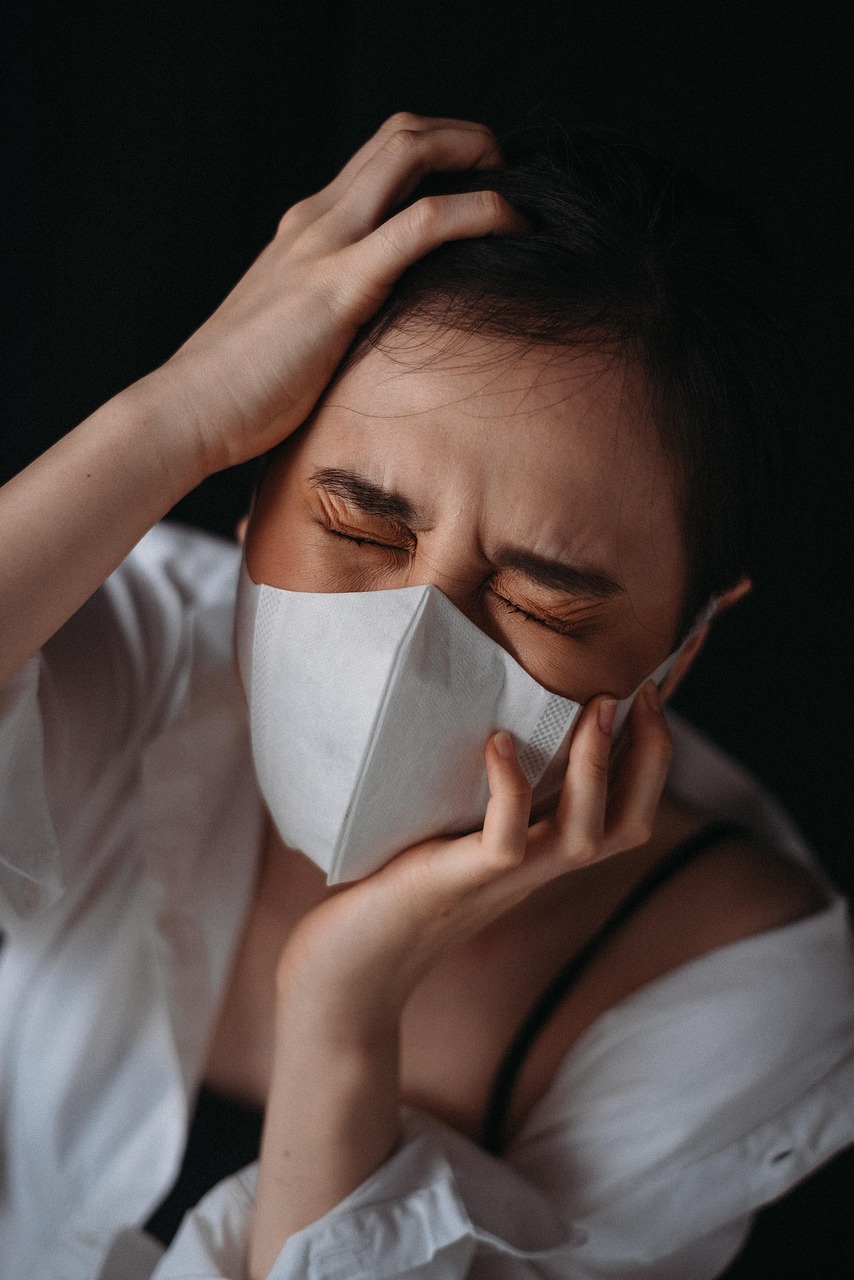 Midwives in many birth centres offer essential oils with massage to ease anxiety and stress, for pain relief or as part of a “postdates pregnancy” service. Those of you who follow Expectancy know that I have long advocated for the use of aromatherapy and other complementary therapies (CTs) within midwifery practice and education, having pioneered the subject specialism since the early 1980s.
However, when I hear of what is now happening in maternity units and birth centres where aromatherapy is offered, I despair. The practice of many midwives offering aromatherapy is so poorly informed as to be dangerous and sometimes, even illegal. Poor practice leads to an inherent risk of incidents that may threaten the wellbeing of parents, babies, staff and visitors and lead to ethical and legal dilemmas. At a time when maternity care and midwifery practice are under immense scrutiny from national investigations such as Ockenden reviews, to the public media baying for the demise of midwifery with its alleged normal birth “ideology”, it is foolish in the extreme to initiate care strategies that are unsafe.
I have spent 46 years of my 51-year career in midwifery education. I trained in several CTs, developed and ran a degree in CTs at the University of Greenwich and established a specialist CTs teaching clinic in southeast London, treating almost 6000 pregnant women over ten years. Since 2004 when I established Expectancy, unique worldwide in offering specific CTs courses for midwives, I have taught over 4000 midwives around the world, including helping to implement aromatherapy in many UK and overseas maternity units. I have taught, practised, researched and published on midwifery CTs, my Masters degree was on the safety of aromatherapy in pregnancy and – I hate to blow my own trumpet – I am an acknowledged authority on the subject. In short, I know what I am doing.
My philosophy has always focused on “safety, professional accountability and evidence-based practice”, which has added to my credibility and international reputation. It distresses me that, in the NHS, safety and accountability are relegated to the bottom of the pile when it comes to training, not only in aromatherapy but in other aspects of midwifery. Midwifery managers are complicit in this, trying to save money, but at the expense of a well-informed workforce able to practise safely. They seek out the cheapest, shortest, least inconvenient means of training up as many staff as possible, sometimes by cascade training after sending one midwife on a course who is then – apparently – capable of teaching everyone else. Unfortunately, in the common vernacular. if you pay peanuts, you get monkeys.
When it comes to aromatherapy, there are added issues, because it is viewed simply as “nice smells” and a bit of massage. It is not a statutorily regulated profession, so midwives somewhat arrogantly presume there is little to be learned: training is frequently focused on level four practical skills rather than the in-depth theoretical underpinning and critical thinking required at academic level six. In an attempt to develop relaxing birthing rooms, midwives use oils for environmental fragrancing, with no understanding of the pharmacological effects of inhaling the chemical vapours and no recognition of the illegality of diffusers within NHS settings (Health & Safety at Work act 1974, Control of Substances Hazardous to Health regulations 2002).
A lovely training day “throwing a few oils around” and enjoying giving and receiving massage to prepare midwives to offer aromatherapy may be fun but is not sufficient training for safe, effective midwifery practice. Exploring just half a dozen or so oils and advocating single pre-prepared oil blends for labour symptoms is insufficient to individualise care and offer choice, nor to avoid those aromas which may be disliked and, more importantly, contraindicated with specific conditions or in specific circumstances. Encouraging the use of diffusers is reprehensible and dangerous: they have no place at all in a birth centre and certainly not in a high risk labour ward, triage or antenatal ward where, by definition, there may be expectant or labouring parents for whom aromatherapy is contraindicated.
Midwives MUST understand the principles of aromatherapy and the application to midwifery practice. They must be able to justify their actions, knowing when it is acceptable for someone to receive aromatherapy and when it is not. They must take account of their own wellbeing as well as that of others (NMC Code 2018). They must be cognisant of the law, in relation to storage of chemical substances (COSHH), providing parents with blends for home use (Cosmetics Regulations 2020), restrictions on group settings such as birth preparation classes and even recognising that, when a midwife is in attendance at a home birth where aromatherapy is in use, that dwelling is the midwife’s place of work, with its relevant requirements.
Managers need to have a modicum of understanding of these wider aspects of institutional aromatherapy use, both so they can monitor the practice of their staff but also to limit hazards from vapours in the birth centre or maternity unit. Clinical guidelines should NOT be written by a consultant midwife with no knowledge of aromatherapy, but in conjunction with midwives who have contemporary understanding of using aromatherapy within midwifery and within institutional settings. It is fair to say that aromatherapy guidelines in some NHS trusts are worse than useless and would not stand up in a court of law. Even subsidiary aspects of aromatherapy provision may have relevance, for example, playing relaxing music without a licence, even on the radio, may be contravening copyright law. There have been some legal issues around the use of midwifery aromatherapy for many years, such as midwives trying to use aromatherapy to deal with deviations from physiological progress in labour. There has been, to my knowledge, at least one court case some years ago, in which a baby was severely affected by a delay in transfer from home to hospital whilst aromatherapy treatment was administered.
I find myself wondering if it is time to pack my bags and just leave everyone to their enthusiastic but misguided and ill-informed use of maternity aromatherapy. I feel as if we have come full circle from the early 1980s when I spent my time advocating for CTs, notably aromatherapy, to now when I spend more of my time telling midwives what they should not be doing. After almost half a century of trying to educate midwives about not only the benefits and joys of aromatherapy but also the risks of inappropriate use, have I done enough – or is everyone else undoing the work I have spent my professional life doing? Aromatherapy in midwifery is an accident waiting to happen and unless midwives and managers address the issues around suitable training and safe practice, we are on a pathway to losing aromatherapy altogether. The NMC, Ockenden, the courts and the press, already challenging some aspects of aromatherapy, will be down on the midwifery profession like a ton of bricks – and midwives will have only themselves to blame.
Previous articles
Aromatherapy In Midwifery: Dangerous Practices That Threaten Forty Years Of My Work.
Driving Forwards - Transition From Student To Midwife
Traditional Medicine Approval
Caesarean Birth Is Not A Lifestyle Choice!
Birth Of My Son
Paternalism in Maternity Care: The “Just In Case Syndrome”
Transitioning Role From Midwife To Grandmother
Midwifery, Aromatherapy and Natural Birth Under Attack Again
About Midwifery
Quality Of Education In Midwifery Complementary Therapies