Denise and her blog
Aromatherapy In Midwifery: Dangerous Practices That Threaten Forty Years Of My Work.
 Midwives in many birth centres offer essential oils with massage to ease anxiety and stress, for pain relief or as part of a “postdates pregnancy” service. Those of you who follow Expectancy know that I have long advocated for the use of aromatherapy and other complementary therapies (CTs) within midwifery practice and education, having pioneered the subject specialism since the early 1980s.
However, when I hear of what is now happening in maternity units and birth centres where aromatherapy is offered, I despair. The practice of many midwives offering aromatherapy is so poorly informed as to be dangerous and sometimes, even illegal. Poor practice leads to an inherent risk of incidents that may threaten the wellbeing of parents, babies, staff and visitors and lead to ethical and legal dilemmas. At a time when maternity care and midwifery practice are under immense scrutiny from national investigations such as Ockenden reviews, to the public media baying for the demise of midwifery with its alleged normal birth “ideology”, it is foolish in the extreme to initiate care strategies that are unsafe.
I have spent 46 years of my 51-year career in midwifery education. I trained in several CTs, developed and ran a degree in CTs at the University of Greenwich and established a specialist CTs teaching clinic in southeast London, treating almost 6000 pregnant women over ten years. Since 2004 when I established Expectancy, unique worldwide in offering specific CTs courses for midwives, I have taught over 4000 midwives around the world, including helping to implement aromatherapy in many UK and overseas maternity units. I have taught, practised, researched and published on midwifery CTs, my Masters degree was on the safety of aromatherapy in pregnancy and – I hate to blow my own trumpet – I am an acknowledged authority on the subject. In short, I know what I am doing.
My philosophy has always focused on “safety, professional accountability and evidence-based practice”, which has added to my credibility and international reputation. It distresses me that, in the NHS, safety and accountability are relegated to the bottom of the pile when it comes to training, not only in aromatherapy but in other aspects of midwifery. Midwifery managers are complicit in this, trying to save money, but at the expense of a well-informed workforce able to practise safely. They seek out the cheapest, shortest, least inconvenient means of training up as many staff as possible, sometimes by cascade training after sending one midwife on a course who is then – apparently – capable of teaching everyone else. Unfortunately, in the common vernacular. if you pay peanuts, you get monkeys.
When it comes to aromatherapy, there are added issues, because it is viewed simply as “nice smells” and a bit of massage. It is not a statutorily regulated profession, so midwives somewhat arrogantly presume there is little to be learned: training is frequently focused on level four practical skills rather than the in-depth theoretical underpinning and critical thinking required at academic level six. In an attempt to develop relaxing birthing rooms, midwives use oils for environmental fragrancing, with no understanding of the pharmacological effects of inhaling the chemical vapours and no recognition of the illegality of diffusers within NHS settings (Health & Safety at Work act 1974, Control of Substances Hazardous to Health regulations 2002).
A lovely training day “throwing a few oils around” and enjoying giving and receiving massage to prepare midwives to offer aromatherapy may be fun but is not sufficient training for safe, effective midwifery practice. Exploring just half a dozen or so oils and advocating single pre-prepared oil blends for labour symptoms is insufficient to individualise care and offer choice, nor to avoid those aromas which may be disliked and, more importantly, contraindicated with specific conditions or in specific circumstances. Encouraging the use of diffusers is reprehensible and dangerous: they have no place at all in a birth centre and certainly not in a high risk labour ward, triage or antenatal ward where, by definition, there may be expectant or labouring parents for whom aromatherapy is contraindicated.
Midwives MUST understand the principles of aromatherapy and the application to midwifery practice. They must be able to justify their actions, knowing when it is acceptable for someone to receive aromatherapy and when it is not. They must take account of their own wellbeing as well as that of others (NMC Code 2018). They must be cognisant of the law, in relation to storage of chemical substances (COSHH), providing parents with blends for home use (Cosmetics Regulations 2020), restrictions on group settings such as birth preparation classes and even recognising that, when a midwife is in attendance at a home birth where aromatherapy is in use, that dwelling is the midwife’s place of work, with its relevant requirements.
Managers need to have a modicum of understanding of these wider aspects of institutional aromatherapy use, both so they can monitor the practice of their staff but also to limit hazards from vapours in the birth centre or maternity unit. Clinical guidelines should NOT be written by a consultant midwife with no knowledge of aromatherapy, but in conjunction with midwives who have contemporary understanding of using aromatherapy within midwifery and within institutional settings. It is fair to say that aromatherapy guidelines in some NHS trusts are worse than useless and would not stand up in a court of law. Even subsidiary aspects of aromatherapy provision may have relevance, for example, playing relaxing music without a licence, even on the radio, may be contravening copyright law. There have been some legal issues around the use of midwifery aromatherapy for many years, such as midwives trying to use aromatherapy to deal with deviations from physiological progress in labour. There has been, to my knowledge, at least one court case some years ago, in which a baby was severely affected by a delay in transfer from home to hospital whilst aromatherapy treatment was administered.
I find myself wondering if it is time to pack my bags and just leave everyone to their enthusiastic but misguided and ill-informed use of maternity aromatherapy. I feel as if we have come full circle from the early 1980s when I spent my time advocating for CTs, notably aromatherapy, to now when I spend more of my time telling midwives what they should not be doing. After almost half a century of trying to educate midwives about not only the benefits and joys of aromatherapy but also the risks of inappropriate use, have I done enough – or is everyone else undoing the work I have spent my professional life doing? Aromatherapy in midwifery is an accident waiting to happen and unless midwives and managers address the issues around suitable training and safe practice, we are on a pathway to losing aromatherapy altogether. The NMC, Ockenden, the courts and the press, already challenging some aspects of aromatherapy, will be down on the midwifery profession like a ton of bricks – and midwives will have only themselves to blame.
Driving Forwards - Transition From Student To Midwife
 Congratulations to all our newly qualified midwives!
You did it! After all the effort, stress and challenges you may have experienced along the way, you should be proud of yourselves. Some of you may have been lucky enough to find a midwifery post; others may still be waiting for that elusive job – but you ARE now a midwife.
The transition from student to midwife is exciting even though it can be nerve wracking. I well remember how I felt when I stepped on to the labour ward the day after qualifying – proud yet nervous, frightened even. You have a different role, a different title and colleagues view you differently. There are greater responsibilities, greater challenges and greater fears now the buck stops with you. And yet, there can be awe-inspiring moments of emotion, success and knowing you are doing the right thing.
Stepping over that line from student to midwife is a bit like driving a car. You’ve passed your test and have the certificate allowing you to practice. But now you have to really learn to drive: to consolidate your learning to increase your confidence and competence in midwifery. You know how to drive but you now need to be able to drive safely without thinking about it; you can then concentrate on becoming confident at driving in the dark, looking for directions and dodging all the other cars on the road.
For NQMs, this means first consolidating your basic skills and knowledge and then learning to add in the other aspects that contribute to becoming a wonderful, caring, compassionate, confident midwife whilst still adhering to the “rules of the road” in terms of safety, such as the NMC Code and local clinical guidelines.
If you feel more senior midwives are ignoring or bullying you, think of them as road users who push cars around and endanger others with their fast, aggressive or incompetent driving.
If you are overwhelmed by all the rules and regulations, local and national guidelines and institutional requirements, learn your “highway code” – the NMC Code is your friend, not your enemy – but don’t be prepared to challenge the system if you think something is incorrect, unsafe or inappropriate.
It is absolutely normal to feel anxious, overwhelmed, lacking in confidence and fearful of doing something wrong. Every single midwife before you has felt like this as they step over the threshold into their midwifery career – and those who tell you otherwise are hiding the truth. So how can you help yourself and others to deal with this transition phase?
Tips to cope as a NQM:
- Review each day – think about what you have learned today and what caused you difficulty; identify at least one success from the day – such as a thank you from the parents or a student whose questions you were able to answer. Value the small things and don’t get put off by those issues that seem insurmountable – they are not.
- Don’t beat yourself up when things don’t go right or feel difficult – if you miscalculated a woman’s cervical dilatation on VE, it doesn’t matter, there’ll be others from which you can improve your skill.
- Don’t be afraid to ask for help or for someone to explain something – even if you feel silly or embarrassed; this could be a midwife who you get on well with or an obstetrician
- Don’t feel intimidated – remember ALL midwives and doctors have been in your position – some may have forgotten what it felt like, but be prepared to stand up and ask or challenge those more experienced
- Keep a diary about how you feel each day – you will be surprised when you look back after a few weeks or months how differently you feel.
- Find someone you can confide in – a midwife you trust, another NQM or a friend unconnected to midwifery
- Make sure you have at least one day where you do something for YOU – not just family commitments, shopping or sleeping – go for a nice walk or swimming, have coffee with a friend, treat yourself to a spa treatment
- if things really challenge you, learn self-hypnosis or, in extreme cases, seek counselling – but remember, prevention is better than cure, so try not to let your sense of inadequacy, anxiety or demoralisation get out of hand – deal with it earlier rather than later
- Most of all - believe in yourself! You have spent over three years working towards your goal of becoming a midwife; you have passed the exams, you’ve got the certificate – and you CAN do this.
SPECIAL 60% DISCOUNT FOR NEWLY QUALIFIED MIDWIVES!
We’re offering a six-month ten-day online Certificate in Midwifery Complementary Therapies, specifically for NQMs and senior students at almost 60% reduction on the normal price! You’ll study several complementary therapies relevant to midwifery: aromatherapy, self-hypnosis, moxibustion, acupressure for postdates pregnancy, natural remedies and more. There are five set study days and five option online study days plus optional extra monthly webinars, self-hypnosis and relaxation sessions and access to our online members’ resource site of articles, videos etc. £1250 including VAT (normally £2964) - £250 non-returnable deposit to be paid by 31st December 2026 plus ten payments of £100 per month. 10% surcharge for payments from a non-UK bank account. Why not ask for the fees as a Christmas present?!
Traditional Medicine Approval
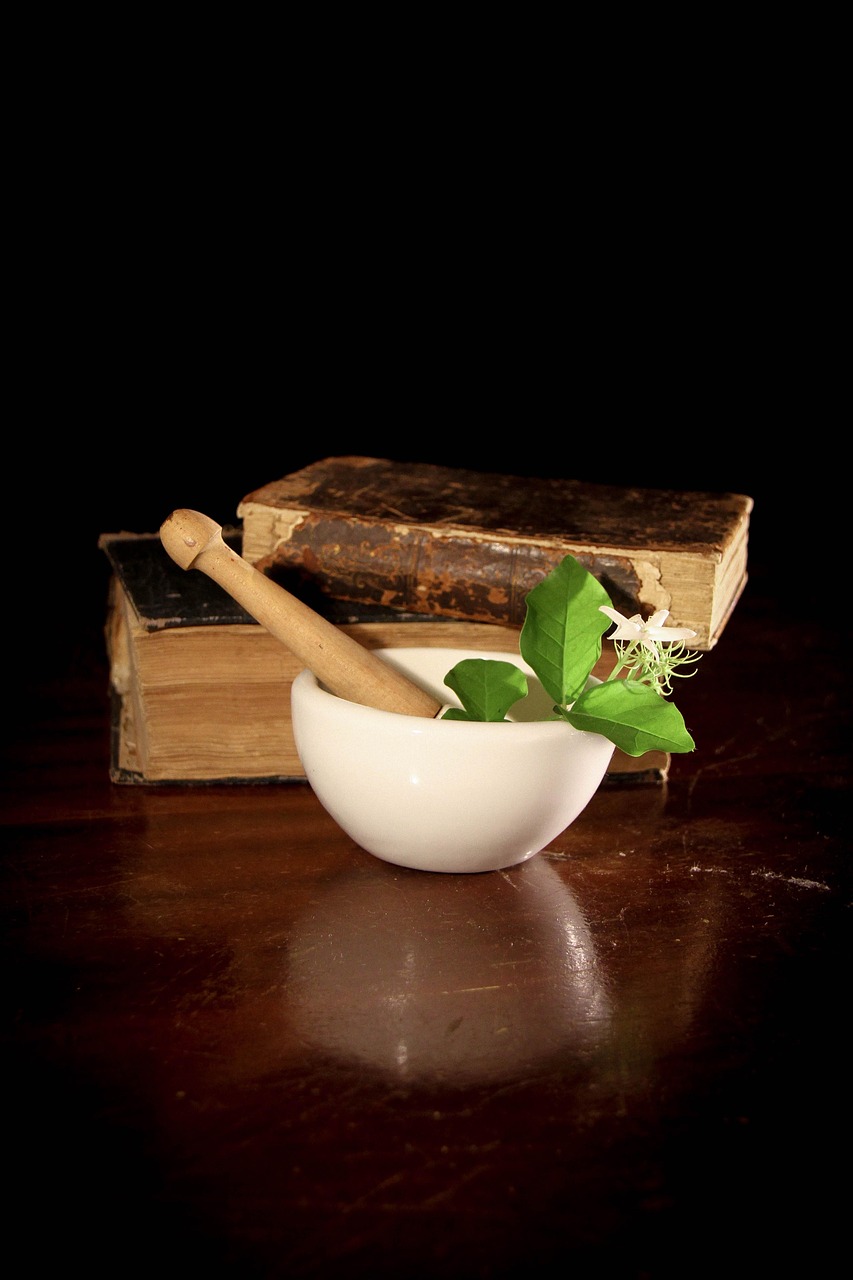 I was pleased to read recently that Burkina Faso in central Africa has approved an additional eighteen traditional medicines for use within healthcare, to supplement the 53 products already approved. These are herbal remedies long used as local family medicines that have been validated through a range of formal processes and now legitimised in law. As with other countries in which traditional herbal remedies play a prominent part in healthcare, regulating specific plants in law prevents the plundering of locally grown plants for development as medicines by the largely European pharmaceutical industry; plants known to have therapeutic properties in Burkina Faso and elsewhere can not be harvested by external industry without formal governmental permission.
There is a wealth of indigenous knowledge and power in people using natural remedies to help themselves. Whilst modern medicine (pharmaceuticals) has its place, so does traditional medicine. It empowers the population to help itself rather than relying on the disempowering state system (such as the UK's NHS). Traditional medicine uses freely available plants to encourage good health at a fraction of the cost of sometimes unnecessary drugs. It also treats holistically (whole person care) rather than systemically (seeing an individual as an engine with different parts). On the other hand, many developed countries have a growing interest in alternative systems of medicine, and the international trade in herbal medicines and other types of traditional remedies has grown exponentially.
In addition to Burkina Faso, other countries that have legalised indigenous plants include China, India and several South American countries which facilitate holistic medicine alongside orthodox medicine. indeed, the World Health Organisation has a traditional medicines programme to facilitate the expansion, where appropriate, of herbal medicine use. In other countries, such as Canada, herbal medicines are regulated as drugs; in the UK the post-Brexit Traditional Medicines Regulations tacitly approve remedies that have been in common use for thirty years or more, although these remedies continue to sit outside the legislature pertaining to drugs.Unfortunately, this lack of formal recognition contributes to a general disparagement of herbal medicines by the establishment – government, the healthcare regulatory organisation and the medical profession, ably reinforced by the media. This leads to those who wish to explore alternatives to drugs doing so surreptitiously, either through a sense of embarrassment or fear of reprimand.
Pregnancy and birth are of particular concern when it comes to self-administration of active herbal medicines – not because they don’t work but because, in fact, they DO. All herbal medicines act pharmacologically and have the power to be therapeutic when used appropriately. However, anything that has the power to do good also has the potential to do harm when not used appropriately. Herbal remedies may cause adverse effects if taken in too high a dose or for too long, and may interact with prescribed conventional medication. Many herbal remedies contain chemicals which have anticoagulant properties, or which have anti-diabetic effects or which impact on the liver.
Expectant parents’ use of raspberry leaf tea for birth preparation, ginger for nausea, clary sage to enhance contractions, evening primrose oil to encourage cervical ripening and many more remedies must be sued appropriately in order to be safe. Midwives, doulas, obstetricians and GPs must take account of the fact that many women choose to self-administer natural remedies in the belief that, because they know drugs should generally be avoided and because herbal medicines are “natural” they must obviously be safe (or safer). Maternity care professionals should:
- ask women at booking about their use of herbal medicines and aromatherapy oils and document their answers
- ask again towards the end of the third trimester as they prepare for birth and in early labour to determine if they wish to use any natural remedies
- advise women on any other medication NOT to take herbal remedies unless prescribed by a fully qualified medical herbalist practitioner, to avoid interactions which may potentiate or inhibit conventional medicines
- advise women booked for elective Caesarean to DISCONTINUE all herbal remedies at least two weeks before surgery to minimise the risk of bleeding.
Caesarean Birth Is Not A Lifestyle Choice!
 The alarming rate of Caesareans, not just in the UK but in other countries too, is of grave concern. There is, of course, a multitude of reasons, not least the incidence of greater pathology in many women, lack of midwives to help maintain physiological birth, obstetric and managerial fear of litigation from failure to act when labour deviates from physiological progress and changing social trends in relation to childbirth and parenting. In the UK we are fast approaching a 50% Caesarean rate; in private care in South Africa, it can be as high as 90%. I cannot believe that almost 100% of the birthing population has so many issues that operative delivery is the only answer. However, with induction of labour rates at 60% or more in some UK units, it is hardly surprising that the “cascade of intervention” leads to increasing indications to manage and control birth.
Sadly, as I’ve mentioned before, Caesarean has become so normalised that young couples accept it as something that is, without challenge, part of their childbearing journey. My almost-daughter-in-law said she hadn’t made her mind up yet about the possibility of having a Caesarean, as if it is a lifestyle choice (no criticism intended, Ninka – and having twins in South Africa definitely increases the possibility of needing one). But Caesarean is not something on which you can make a decision until the time comes, usually shortly before or during labour, that indicates its necessity. It’s not like choosing whether to buy a new car or become vegetarian or change jobs.
Many expectant parents seem to take it in their stride that Caesarean may be needed, but I doubt they fully understand its implications. Caesarean is a major operation, the risks of which have been belittled by its frequency. It carries risks for both mother and baby that are rarely discussed at length with parents, just that it is “necessary”, with little opportunity to opt out. It has long-term sequelae that are almost never mentioned, not least a longer postnatal recovery time and the possibility of poor parent-infant bonding. Having a Caesarean is like having your appendix out – and having a baby as well. It is difficult enough recovering from physiological vaginal birth and caring for a newborn baby which, for most, is a completely alien concept until it happens. There is no rule book for caring for newborns – you are just expected to get on with it, deal with the sleepless nights, the difficulties of learning to breastfeed, the change in relationships between partners and sometimes the loss of identity for those who may, even temporarily, be stay-at-home parents rather than the competent professionals they were before pregnancy.
Caesarean birth – and its little sidekick, induction – are at risk of changing the microbiome of the human race. Will women evolve with zips down their abdomens that can conveniently be opened to lift the baby out? Women’s bodies are intended to become pregnant and to give birth – billions of people for thousands of years have been doing just that. Yes, there are some who experience difficulties or even die in childbirth, but that is not usually dependent on operative delivery – of course, in some cases, surgery can be a lifesaver for either or both mother and baby. But whilst we continue to normalise such deplorable and increasing rates of what can only be termed operative assault on women’s bodies, the higher the rates will rise.
Expectant parents need the facts, applied to their individual situations rather than a blanket policy of reaching for the scalpel as if all other avenues have failed. They need to know the benefits and the risks of both having or not having a Caesarean. As a society we need to stop treating major surgery as a minor inconvenience. And professionally, we need to acknowledge that childbirth is a normal biopsychosocial life event that, in the main, progresses without complications and brings a baby into the world without drama or trauma. Caesarean is NOT a lifestyle choice!
Birth Of My Son
 My son, Adam, was born at home in July 1989, after a 24 hour labour with a four hour transition, ending in a forceps birth (yes, at home – it’s not what you know but who you know!) The consultant obstetrician was a friend who agreed to care for me even if it meant coming out to the birth. Adam was 10lb four ounces (4.3 kg). I was looked after by two midwives who were friends; my husband spent the very hot day washing cars and ordering in pizza for the midwives, whilst I huffed and puffed my way through first stage. To think Adam has just celebrated his 37th birthday is amazing.
See his proud grandfather with a newborn Adam.
Previous articles
Aromatherapy In Midwifery: Dangerous Practices That Threaten Forty Years Of My Work.
Driving Forwards - Transition From Student To Midwife
Traditional Medicine Approval
Caesarean Birth Is Not A Lifestyle Choice!
Birth Of My Son
Paternalism in Maternity Care: The “Just In Case Syndrome”
Transitioning Role From Midwife To Grandmother
Midwifery, Aromatherapy and Natural Birth Under Attack Again
About Midwifery
Quality Of Education In Midwifery Complementary Therapies