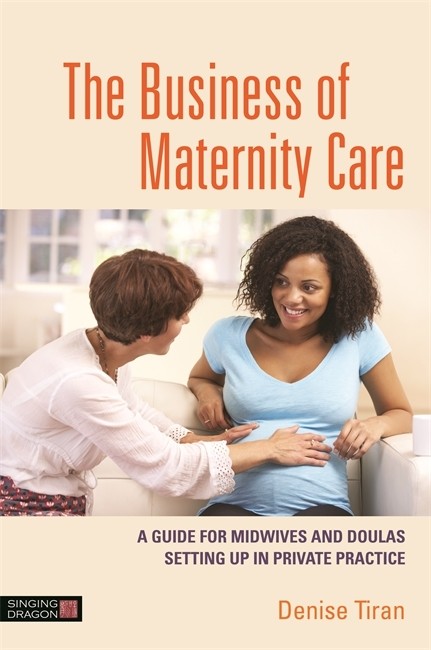
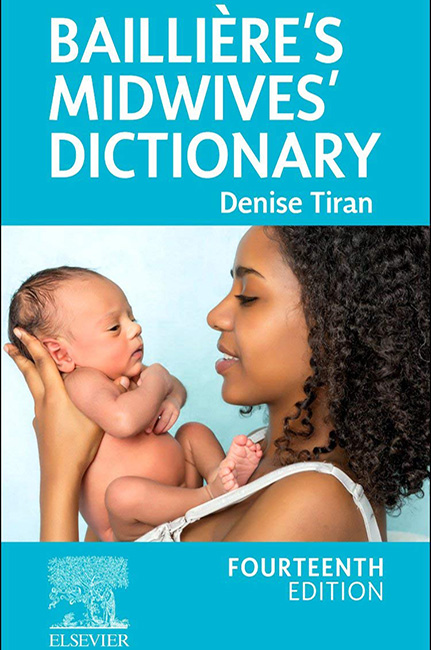
Denise and her blog
Aromatherapy In Midwifery: Dangerous Practices That Threaten Forty Years Of My Work.
 Midwives in many birth centres offer essential oils with massage to ease anxiety and stress, for pain relief or as part of a “postdates pregnancy” service. Those of you who follow Expectancy know that I have long advocated for the use of aromatherapy and other complementary therapies (CTs) within midwifery practice and education, having pioneered the subject specialism since the early 1980s.
However, when I hear of what is now happening in maternity units and birth centres where aromatherapy is offered, I despair. The practice of many midwives offering aromatherapy is so poorly informed as to be dangerous and sometimes, even illegal. Poor practice leads to an inherent risk of incidents that may threaten the wellbeing of parents, babies, staff and visitors and lead to ethical and legal dilemmas. At a time when maternity care and midwifery practice are under immense scrutiny from national investigations such as Ockenden reviews, to the public media baying for the demise of midwifery with its alleged normal birth “ideology”, it is foolish in the extreme to initiate care strategies that are unsafe.
I have spent 46 years of my 51-year career in midwifery education. I trained in several CTs, developed and ran a degree in CTs at the University of Greenwich and established a specialist CTs teaching clinic in southeast London, treating almost 6000 pregnant women over ten years. Since 2004 when I established Expectancy, unique worldwide in offering specific CTs courses for midwives, I have taught over 4000 midwives around the world, including helping to implement aromatherapy in many UK and overseas maternity units. I have taught, practised, researched and published on midwifery CTs, my Masters degree was on the safety of aromatherapy in pregnancy and – I hate to blow my own trumpet – I am an acknowledged authority on the subject. In short, I know what I am doing.
My philosophy has always focused on “safety, professional accountability and evidence-based practice”, which has added to my credibility and international reputation. It distresses me that, in the NHS, safety and accountability are relegated to the bottom of the pile when it comes to training, not only in aromatherapy but in other aspects of midwifery. Midwifery managers are complicit in this, trying to save money, but at the expense of a well-informed workforce able to practise safely. They seek out the cheapest, shortest, least inconvenient means of training up as many staff as possible, sometimes by cascade training after sending one midwife on a course who is then – apparently – capable of teaching everyone else. Unfortunately, in the common vernacular. if you pay peanuts, you get monkeys.
When it comes to aromatherapy, there are added issues, because it is viewed simply as “nice smells” and a bit of massage. It is not a statutorily regulated profession, so midwives somewhat arrogantly presume there is little to be learned: training is frequently focused on level four practical skills rather than the in-depth theoretical underpinning and critical thinking required at academic level six. In an attempt to develop relaxing birthing rooms, midwives use oils for environmental fragrancing, with no understanding of the pharmacological effects of inhaling the chemical vapours and no recognition of the illegality of diffusers within NHS settings (Health & Safety at Work act 1974, Control of Substances Hazardous to Health regulations 2002).
A lovely training day “throwing a few oils around” and enjoying giving and receiving massage to prepare midwives to offer aromatherapy may be fun but is not sufficient training for safe, effective midwifery practice. Exploring just half a dozen or so oils and advocating single pre-prepared oil blends for labour symptoms is insufficient to individualise care and offer choice, nor to avoid those aromas which may be disliked and, more importantly, contraindicated with specific conditions or in specific circumstances. Encouraging the use of diffusers is reprehensible and dangerous: they have no place at all in a birth centre and certainly not in a high risk labour ward, triage or antenatal ward where, by definition, there may be expectant or labouring parents for whom aromatherapy is contraindicated.
Midwives MUST understand the principles of aromatherapy and the application to midwifery practice. They must be able to justify their actions, knowing when it is acceptable for someone to receive aromatherapy and when it is not. They must take account of their own wellbeing as well as that of others (NMC Code 2018). They must be cognisant of the law, in relation to storage of chemical substances (COSHH), providing parents with blends for home use (Cosmetics Regulations 2020), restrictions on group settings such as birth preparation classes and even recognising that, when a midwife is in attendance at a home birth where aromatherapy is in use, that dwelling is the midwife’s place of work, with its relevant requirements.
Managers need to have a modicum of understanding of these wider aspects of institutional aromatherapy use, both so they can monitor the practice of their staff but also to limit hazards from vapours in the birth centre or maternity unit. Clinical guidelines should NOT be written by a consultant midwife with no knowledge of aromatherapy, but in conjunction with midwives who have contemporary understanding of using aromatherapy within midwifery and within institutional settings. It is fair to say that aromatherapy guidelines in some NHS trusts are worse than useless and would not stand up in a court of law. Even subsidiary aspects of aromatherapy provision may have relevance, for example, playing relaxing music without a licence, even on the radio, may be contravening copyright law. There have been some legal issues around the use of midwifery aromatherapy for many years, such as midwives trying to use aromatherapy to deal with deviations from physiological progress in labour. There has been, to my knowledge, at least one court case some years ago, in which a baby was severely affected by a delay in transfer from home to hospital whilst aromatherapy treatment was administered.
I find myself wondering if it is time to pack my bags and just leave everyone to their enthusiastic but misguided and ill-informed use of maternity aromatherapy. I feel as if we have come full circle from the early 1980s when I spent my time advocating for CTs, notably aromatherapy, to now when I spend more of my time telling midwives what they should not be doing. After almost half a century of trying to educate midwives about not only the benefits and joys of aromatherapy but also the risks of inappropriate use, have I done enough – or is everyone else undoing the work I have spent my professional life doing? Aromatherapy in midwifery is an accident waiting to happen and unless midwives and managers address the issues around suitable training and safe practice, we are on a pathway to losing aromatherapy altogether. The NMC, Ockenden, the courts and the press, already challenging some aspects of aromatherapy, will be down on the midwifery profession like a ton of bricks – and midwives will have only themselves to blame.
Driving Forwards - Transition From Student To Midwife
 Congratulations to all our newly qualified midwives!
You did it! After all the effort, stress and challenges you may have experienced along the way, you should be proud of yourselves. Some of you may have been lucky enough to find a midwifery post; others may still be waiting for that elusive job – but you ARE now a midwife.
The transition from student to midwife is exciting even though it can be nerve wracking. I well remember how I felt when I stepped on to the labour ward the day after qualifying – proud yet nervous, frightened even. You have a different role, a different title and colleagues view you differently. There are greater responsibilities, greater challenges and greater fears now the buck stops with you. And yet, there can be awe-inspiring moments of emotion, success and knowing you are doing the right thing.
Stepping over that line from student to midwife is a bit like driving a car. You’ve passed your test and have the certificate allowing you to practice. But now you have to really learn to drive: to consolidate your learning to increase your confidence and competence in midwifery. You know how to drive but you now need to be able to drive safely without thinking about it; you can then concentrate on becoming confident at driving in the dark, looking for directions and dodging all the other cars on the road.
For NQMs, this means first consolidating your basic skills and knowledge and then learning to add in the other aspects that contribute to becoming a wonderful, caring, compassionate, confident midwife whilst still adhering to the “rules of the road” in terms of safety, such as the NMC Code and local clinical guidelines.
If you feel more senior midwives are ignoring or bullying you, think of them as road users who push cars around and endanger others with their fast, aggressive or incompetent driving.
If you are overwhelmed by all the rules and regulations, local and national guidelines and institutional requirements, learn your “highway code” – the NMC Code is your friend, not your enemy – but don’t be prepared to challenge the system if you think something is incorrect, unsafe or inappropriate.
It is absolutely normal to feel anxious, overwhelmed, lacking in confidence and fearful of doing something wrong. Every single midwife before you has felt like this as they step over the threshold into their midwifery career – and those who tell you otherwise are hiding the truth. So how can you help yourself and others to deal with this transition phase?
Tips to cope as a NQM:
- Review each day – think about what you have learned today and what caused you difficulty; identify at least one success from the day – such as a thank you from the parents or a student whose questions you were able to answer. Value the small things and don’t get put off by those issues that seem insurmountable – they are not.
- Don’t beat yourself up when things don’t go right or feel difficult – if you miscalculated a woman’s cervical dilatation on VE, it doesn’t matter, there’ll be others from which you can improve your skill.
- Don’t be afraid to ask for help or for someone to explain something – even if you feel silly or embarrassed; this could be a midwife who you get on well with or an obstetrician
- Don’t feel intimidated – remember ALL midwives and doctors have been in your position – some may have forgotten what it felt like, but be prepared to stand up and ask or challenge those more experienced
- Keep a diary about how you feel each day – you will be surprised when you look back after a few weeks or months how differently you feel.
- Find someone you can confide in – a midwife you trust, another NQM or a friend unconnected to midwifery
- Make sure you have at least one day where you do something for YOU – not just family commitments, shopping or sleeping – go for a nice walk or swimming, have coffee with a friend, treat yourself to a spa treatment
- if things really challenge you, learn self-hypnosis or, in extreme cases, seek counselling – but remember, prevention is better than cure, so try not to let your sense of inadequacy, anxiety or demoralisation get out of hand – deal with it earlier rather than later
- Most of all - believe in yourself! You have spent over three years working towards your goal of becoming a midwife; you have passed the exams, you’ve got the certificate – and you CAN do this.
SPECIAL 60% DISCOUNT FOR NEWLY QUALIFIED MIDWIVES!
We’re offering a six-month ten-day online Certificate in Midwifery Complementary Therapies, specifically for NQMs and senior students at almost 60% reduction on the normal price! You’ll study several complementary therapies relevant to midwifery: aromatherapy, self-hypnosis, moxibustion, acupressure for postdates pregnancy, natural remedies and more. There are five set study days and five option online study days plus optional extra monthly webinars, self-hypnosis and relaxation sessions and access to our online members’ resource site of articles, videos etc. £1250 including VAT (normally £2964) - £250 non-returnable deposit to be paid by 31st December 2026 plus ten payments of £100 per month. 10% surcharge for payments from a non-UK bank account. Why not ask for the fees as a Christmas present?!
Traditional Medicine Approval
 I was pleased to read recently that Burkina Faso in central Africa has approved an additional eighteen traditional medicines for use within healthcare, to supplement the 53 products already approved. These are herbal remedies long used as local family medicines that have been validated through a range of formal processes and now legitimised in law. As with other countries in which traditional herbal remedies play a prominent part in healthcare, regulating specific plants in law prevents the plundering of locally grown plants for development as medicines by the largely European pharmaceutical industry; plants known to have therapeutic properties in Burkina Faso and elsewhere can not be harvested by external industry without formal governmental permission.
There is a wealth of indigenous knowledge and power in people using natural remedies to help themselves. Whilst modern medicine (pharmaceuticals) has its place, so does traditional medicine. It empowers the population to help itself rather than relying on the disempowering state system (such as the UK's NHS). Traditional medicine uses freely available plants to encourage good health at a fraction of the cost of sometimes unnecessary drugs. It also treats holistically (whole person care) rather than systemically (seeing an individual as an engine with different parts). On the other hand, many developed countries have a growing interest in alternative systems of medicine, and the international trade in herbal medicines and other types of traditional remedies has grown exponentially.
In addition to Burkina Faso, other countries that have legalised indigenous plants include China, India and several South American countries which facilitate holistic medicine alongside orthodox medicine. indeed, the World Health Organisation has a traditional medicines programme to facilitate the expansion, where appropriate, of herbal medicine use. In other countries, such as Canada, herbal medicines are regulated as drugs; in the UK the post-Brexit Traditional Medicines Regulations tacitly approve remedies that have been in common use for thirty years or more, although these remedies continue to sit outside the legislature pertaining to drugs.Unfortunately, this lack of formal recognition contributes to a general disparagement of herbal medicines by the establishment – government, the healthcare regulatory organisation and the medical profession, ably reinforced by the media. This leads to those who wish to explore alternatives to drugs doing so surreptitiously, either through a sense of embarrassment or fear of reprimand.
Pregnancy and birth are of particular concern when it comes to self-administration of active herbal medicines – not because they don’t work but because, in fact, they DO. All herbal medicines act pharmacologically and have the power to be therapeutic when used appropriately. However, anything that has the power to do good also has the potential to do harm when not used appropriately. Herbal remedies may cause adverse effects if taken in too high a dose or for too long, and may interact with prescribed conventional medication. Many herbal remedies contain chemicals which have anticoagulant properties, or which have anti-diabetic effects or which impact on the liver.
Expectant parents’ use of raspberry leaf tea for birth preparation, ginger for nausea, clary sage to enhance contractions, evening primrose oil to encourage cervical ripening and many more remedies must be sued appropriately in order to be safe. Midwives, doulas, obstetricians and GPs must take account of the fact that many women choose to self-administer natural remedies in the belief that, because they know drugs should generally be avoided and because herbal medicines are “natural” they must obviously be safe (or safer). Maternity care professionals should:
- ask women at booking about their use of herbal medicines and aromatherapy oils and document their answers
- ask again towards the end of the third trimester as they prepare for birth and in early labour to determine if they wish to use any natural remedies
- advise women on any other medication NOT to take herbal remedies unless prescribed by a fully qualified medical herbalist practitioner, to avoid interactions which may potentiate or inhibit conventional medicines
- advise women booked for elective Caesarean to DISCONTINUE all herbal remedies at least two weeks before surgery to minimise the risk of bleeding.
Caesarean Birth Is Not A Lifestyle Choice!
 The alarming rate of Caesareans, not just in the UK but in other countries too, is of grave concern. There is, of course, a multitude of reasons, not least the incidence of greater pathology in many women, lack of midwives to help maintain physiological birth, obstetric and managerial fear of litigation from failure to act when labour deviates from physiological progress and changing social trends in relation to childbirth and parenting. In the UK we are fast approaching a 50% Caesarean rate; in private care in South Africa, it can be as high as 90%. I cannot believe that almost 100% of the birthing population has so many issues that operative delivery is the only answer. However, with induction of labour rates at 60% or more in some UK units, it is hardly surprising that the “cascade of intervention” leads to increasing indications to manage and control birth.
Sadly, as I’ve mentioned before, Caesarean has become so normalised that young couples accept it as something that is, without challenge, part of their childbearing journey. My almost-daughter-in-law said she hadn’t made her mind up yet about the possibility of having a Caesarean, as if it is a lifestyle choice (no criticism intended, Ninka – and having twins in South Africa definitely increases the possibility of needing one). But Caesarean is not something on which you can make a decision until the time comes, usually shortly before or during labour, that indicates its necessity. It’s not like choosing whether to buy a new car or become vegetarian or change jobs.
Many expectant parents seem to take it in their stride that Caesarean may be needed, but I doubt they fully understand its implications. Caesarean is a major operation, the risks of which have been belittled by its frequency. It carries risks for both mother and baby that are rarely discussed at length with parents, just that it is “necessary”, with little opportunity to opt out. It has long-term sequelae that are almost never mentioned, not least a longer postnatal recovery time and the possibility of poor parent-infant bonding. Having a Caesarean is like having your appendix out – and having a baby as well. It is difficult enough recovering from physiological vaginal birth and caring for a newborn baby which, for most, is a completely alien concept until it happens. There is no rule book for caring for newborns – you are just expected to get on with it, deal with the sleepless nights, the difficulties of learning to breastfeed, the change in relationships between partners and sometimes the loss of identity for those who may, even temporarily, be stay-at-home parents rather than the competent professionals they were before pregnancy.
Caesarean birth – and its little sidekick, induction – are at risk of changing the microbiome of the human race. Will women evolve with zips down their abdomens that can conveniently be opened to lift the baby out? Women’s bodies are intended to become pregnant and to give birth – billions of people for thousands of years have been doing just that. Yes, there are some who experience difficulties or even die in childbirth, but that is not usually dependent on operative delivery – of course, in some cases, surgery can be a lifesaver for either or both mother and baby. But whilst we continue to normalise such deplorable and increasing rates of what can only be termed operative assault on women’s bodies, the higher the rates will rise.
Expectant parents need the facts, applied to their individual situations rather than a blanket policy of reaching for the scalpel as if all other avenues have failed. They need to know the benefits and the risks of both having or not having a Caesarean. As a society we need to stop treating major surgery as a minor inconvenience. And professionally, we need to acknowledge that childbirth is a normal biopsychosocial life event that, in the main, progresses without complications and brings a baby into the world without drama or trauma. Caesarean is NOT a lifestyle choice!
Birth Of My Son
 My son, Adam, was born at home in July 1989, after a 24 hour labour with a four hour transition, ending in a forceps birth (yes, at home – it’s not what you know but who you know!) The consultant obstetrician was a friend who agreed to care for me even if it meant coming out to the birth. Adam was 10lb four ounces (4.3 kg). I was looked after by two midwives who were friends; my husband spent the very hot day washing cars and ordering in pizza for the midwives, whilst I huffed and puffed my way through first stage. To think Adam has just celebrated his 37th birthday is amazing.
See his proud grandfather with a newborn Adam.
Paternalism in Maternity Care: The “Just In Case Syndrome”
 The recent intrusive national ‘phone alert advising us that the weather is hot (really?) and we should avoid bonfires and disposable barbecues (err…?) was a true example of the paternalistic nature of governments. Isn’t it common sense to consider the risks of fire on excessively hot days? It is just another example of the population being told what to do, what not to do, what to eat, how to bring up our children and all manner of things that should be the responsibility of individuals. Personally, I object to this patronising approach which implies that only those in government know what should be done – and I have turned off my ‘phone’s alert system. I work on the theory that if World War III breaks out, someone will tell me (or I’ll be dead so won’t have needed the national alert anyway).
Examples of paternalism in healthcare include Covid vaccinations, fluoridisation of public water supplies, taxing foods with high sugar content to discourage consumption and restricting the number of aspirins allowed in one purchase. Now don’t get me wrong, there are some examples of positive paternalism which are for the greater good of the population, such as compulsory education for children or imposing speed limits when driving. However, even a well-intentioned paternalistic approach affects people fundamentally without their consent and focuses on populations rather than individuals.
In maternity care, we see this all the time, with increasing frequency and for increasingly spurious reasons. This is what I call the “just in case syndrome” – the “you’re 42 weeks so we’ll just book you in for induction on Thursday” or “I’m just going to attach a clip to the baby’s head to monitor the heartbeat” or “we’ll just transfer you to labour ward because …” approach. And let’s not even get into the almost unspoken actions of routine synthetic oxytocics to manage third stage labour or vitamin K injections for all babies.
There is an arrogance about these litigation conscious, risk-averse interactions (or lack of) with expectant and birthing parents that presumes that professional expertise is superior to individual choice. I absolutely endorse the role of midwives and obstetricians in guiding parents towards safe childbirth, but we see many examples of unthinking bias in decision-making. Much of this comes from a professional autonomy that presumes authoritative knowledge and experience, yet increasingly this is not the case.
University-led education for midwives supposedly encourages critical thinking but does not emphasise skills and the application of detailed theoretical knowledge to demanding clinical scenarios. Midwifery management focuses on institutional numbers – staff, money, risks etc – but seems incapable of applying these statistics to the provision of high-quality care. National directives, especially NICE guidelines, make clinical recommendations based on “evidence” – either in support of an intervention or dissent for humanistic and – dare I say it – physiological non-interventions.
“Informed consent” is another example of paternalism in maternity care. Parents may be given the reasons why a particular action is “necessary” but rarely are they given comprehensive information about the risks of that action. They are, of course, always given the risks of not “agreeing” to the proposed action. It is conveniently forgotten that “informed consent” also means the “right to decline” – and this should be an unconditional right without censure or coercion to conform.
When I was first a midwife in the 1970s, there was definitely an element of midwives and doctors “knowing best” – and perhaps at that time, this was true. The public respected authority and felt happy with their interactions with the professionals. Certainly, we had more time to care for women. There were far fewer choices to make, and women were guided by the information they were given. However, as more information has become available to the public, expectant parents are generally better informed (despite – or perhaps, because of - “Dr Google” and Co-pilot). People want to remain in control of their experiences of having children, yet the fear factor of professional caution, compounded by the media’s influence on healthcare knowledge, leads to courses of action that leave parents feeling dissatisfied and sometimes traumatised by their experiences.
We have had numerous investigations over the last fifty years, and I have seen them all come and go. Maternity Care in Action, Changing Childbirth, Better Births, Amos and Ockenden – and NOTHING has changed – or at least not for the better. Yet another set of “experts” comes out with yet another solution to the maternity care situation – and nothing works.
The sooner we relinquish our paternalistic approach to pregnancy and birth care, the more parents are treated with respect as individuals rather than a cog in a government-managed wheel, the better we will be able to get back to what maternity care is about – helping women through a normal physiological life-event that does not (usually) need to be medicalised and does not need to be controlled by paternalistic professionals and a paternalistic government.
Transitioning Role From Midwife To Grandmother
 My son, Adam and his fiancee, Ninka, are expecting their first baby – or should I say, babies – as they ‘ve found out it is twins! (Ninka is a twin). Until now, I have not been mentally ready to become a grandmother, but it is an exciting time and a new chapter in all our lives. I find myself swaying between the potential joys of grandmothering and the professional concerns as a midwife, although friends tell me it’s the best thing in the world. Their GP warned them that Johannesburg has one of the highest Caesarean rates in the world at 90% in the private sector – with twins, I would think that narrows it down to possibly 99.9%! Thankfully, they have been able to register with a midwife-led birth centre with visiting obstetricians, and currently the fact that it is twins does not seem to be a barrier to continuing their care there. It is a little alarming though to hear Adam and many of his contemporaries say that they don’t mind if they have a Caesarean – almost as if it is a normal expectation of having a baby. More on this later.
Midwifery, Aromatherapy and Natural Birth Under Attack Again
 A recent article in The Skeptic (June 2026) has yet again seen fit to lambast midwives, midwifery care, “natural” birth and – of particular interest to me – aromatherapy use by midwives. Granted, this was published online prior to the Ockenden and Amos reports, but is simply more of the same rhetoric against midwives and against women who desire a physiological birth.
I do wish these journalists would get their facts right. Quite frankly, Michael Marshall does not know what he is talking about. He is one of a growing number of journalists and campaigners determined to undermine the maternity services and physiological birth and all that goes with it. He slates water injections for analgesia in labour, incorrectly assuming there is no evidence base, moxibustion for breech presentation (a Chinese technique which he cannot get his head around), homeopathy (there is anecdotal evidence, but I might concede on that one) and – of course – aromatherapy – of which he has absolutely no understanding whatsoever.
Marshall states that “this” (presumably complementary medicine) is an area “in which (he) has a degree of experience” – yes, mainly in demonising centuries-old modalities and being instrumental in the political agenda to have them removed from public accessibility. He twists facts to suit the political narrative and is ignorant of the evidence that supports these strategies. He states that there is no clear mechanism of action of aromatherapy, despite it having been proven to have a pharmacological mechanism – which is known to have both positive and negative impacts on human physiology. Either it does something or it doesn’t, but if it doesn’t, then how can it have negative effects? Aromatherapy is not simply “nice smells” and a bit of massage: it is a powerful chemical modality, and essential oils continue to be researched by the pharmaceutical companies as potential sources of new drugs.
Apparently, his Freedom of Information request to discover the prevalence of aromatherapy use by NHS midwives uncovered some questionable practices by enthusiastic but ill-informed midwives (about which I have written previously). He quotes NHS expenditure on aromatherapy as anything up to, in one trust, a totally unrealistic £30,000 – even if we account for training, this is at least three times the standard cost (and if the trust has quoted that, there is something inherently wrong). It costs no more than £1,000 a year to provide a midwifery aromatherapy service for women undergoing physiological labour – less than half the cost of a Caesarean section. If we add in around £7,000 to train 24 midwives, and factor that in across three years, plus £3,000 for oils, we are looking at a total of £10,000 or an annual cost of around £3300 – NOT £30,000! So, you only have to save two Caesareans, and the service has paid for itself.
Marshall quotes NICE guidelines as stating that aromatherapy should only be used if women request it, but NICE is part of the same establishment political agenda as Marshall supports. In any case, the NICE publications are guidelines, not directives or legally binding. Heaven forfend that a trust decides to offer an option to women that, allegedly, has no evidence to support it – when there are plenty of obstetric initiatives introduced into maternity services that have little or no evidence to support them. From his FOI request, he has uncovered some practices which, if correct, I would deem inappropriate (such as using midwives using oils for non-pregnancy related conditions such as coughs and colds, which are not part of midwifery aromatherapy) or frankly, unsafe (eg some quoted uses of oils which should be used with care, especially clary sage which should be discontinued once labour is well established and never used with Syntocinon).
And let’s face it, we are looking at CARE here, in a broken maternity service, where compassion and individualisation has currently left the building. Marshall gives no credence to the use of simple complementary strategies such as massage (part of aromatherapy for which there is considerable evidence) on the physiology of labour and birth. There is plenty of research to show the reduction in cortisol and adrenaline and the corresponding increase in oxytocin and endorphins – and if only he focused on that aspect rather than vilifying something of which he quite obviously has no knowledge, things would be a great deal better.
Marshall is one of those sceptics whose views are based on … absolutely nothing …. except prejudice, misogynistic, anti-physiological opinion. He is, of course, entitled to his opinion but should take care as to how he expresses it. Instead, his frankly dangerous and unfounded lack of factual integrity is counterproductive to the whole intention to improve maternity services. He uses language intended to ridicule claims for the effectiveness and safety of aromatherapy and divert attention away from the things that matter in today’s maternity care. So, he should stop taking on subjects about which he is ignorant and start supporting the changes needed in maternity care to make it a service acceptable to those who use it and those who work in it.
About Midwifery

What do I love about midwifery? I love what it was when I first started midwifery in the late 70s – totally individualised care, with your own midwife, very little intervention, very few Caesareans – and these were only in extreme circumstances. Midwives were left to care for women without medical oversight. Women stayed in hospital for up to seven days after a “normal” birth and for between ten and fourteen days after Caesarean (right up to the mid-1980s). I remember in one south London unit where I was a midwifery tutor, women who had been in for nine days were encouraged to go out for a meal with their husband and leave the care of the babies to the midwives in the nursery, so they had time on their own before going home the next day. Home births were common although there were increasing hospital births as the 1970s progressed, in line with the Peel Report of 1970. Postnatal care was the envy of the world and when I was a community midwife, we visited on the evening of the day women left hospital, then twice daily for three days, then daily up to ten days then, if necessary weekly up to 28 days. This is probably the aspect that has saddened me most in my career although the massive intervention rate now is – in my opinion – reprehensible, costly, counterproductive to physiology and potentially the beginning of the end for midwifery as I have known it.
What do I love about midwifery teaching? I have actually spent almost all my career in midwifery education, becoming an obstetric tutor in 1980 for student nurses completing their four-week maternity placement, before I went on to take the postgraduate certificate in education to become a bona fide tutor at Greenwich and Bexley school of midwifery (later part of the University of Greenwich). I love seeing student midwives blossom into qualified practitioners and try to impart to them my love of midwifery and my inherent belief that women’s bodies are their own and that they should be able to choose what they want (not told). I love seeing those new midwives thrive and blossom into fantastic caring practitioners, with some going on to make a name for themselves in their chosen specialist fields of the profession.
And what do I hate about midwifery education? I have an absolute despair over the lack of anatomy and physiology knowledge and understanding that underpins safe practice and may make the difference between life and death. The fact that basic aspects - such as biomechanics and relaxation now branded as “hypnobirthing” - were removed from pre-registration education and are now lauded as something special for those interested in post-registration training is very sad and, actually, deplorable.
Personally, having been trained the traditional way of learning “on the job”, I am still not convinced, even quarter of a century later, that midwifery (or nursing) needs to be a graduate programme. Having a degree may encourage critical thinking in some but does not necessarily ensure that graduates have the basic skills to care for women in pregnancy, birth and postnatally, especially with the fight for physiological births and the . changed definition of “normal birth” by the NMC to enable students to achieve their 40 births (or less in some cases). Indeed, with all due respect, some graduates think they are superior simply because they have a degree and the sense of entitlement seen amongst a minority of students simply because they are paying for their course, detracts from the true meaning of a caring profession. Indeed, the universities are complicit in contributing to the current state of the maternity services, with their commercial desire to achieve full cohorts and their somewhat questionable determination to attain the highest number of first-class degrees, often by “dumbing down” on pass marks.
When I was first a lecturer, we had our own set of students, to whom we taught almost the whole syllabus of the training programme. Groups were small (between 8-10 students) and tutors often worked with them in clinical practice – and we maintained our own practice skills. We got to know them and were able to help those struggling. We marked all their written work and saw how some were better able to apply theory to practice than others. And occasionally, we recognised when a student was not really suited to midwifery and could advise them accordingly. Students were expected to work in all clinical areas across the full 24 spectrum of care (there were none with ADHD or other issues that might excuse them from night duty, leaving others to fill the gaps).
Perhaps what I hate most about contemporary midwifery education is the wastage – students leaving mid-course because it is too taxing, or fabulous students unable to find jobs on qualifying. It is a waste for them, in time and money, a waste for universities and educators, a waste for the maternity services and a waste for parents who could have been cared for by a committed, enthusiastic and caring midwife.
And I hate the notion that, having been seconded for placements during training in NHS maternity services, there is an embedded misconception that the NHS owns them. It does not, there is no obligation to work in the NHS or complete a preceptorship (which I have said before is a management strategy to ensure appropriate staffing in all areas of the maternity services). However, this is rarely, if ever, addressed in midwifery education. There needs to be more coverage of the whole professional career of midwifery, not just training to staff an overburdened service.
Quality Of Education In Midwifery Complementary Therapies
 As many of you know, I have spent over 40 years practising, teaching, researching and writing about the use of complementary therapies in midwifery, with 22 of those years in my own business offering university-level education and training for midwives. I have always stood by my philosophy, on which I gained my reputation, having an absolute focus on safety, professional accountability and evidence-based practice. CTs are so much more than simply relaxation – although we should not dismiss the power of relieving stress and anxiety and the consequent physiological impact on reducing cortisol and increasing oxytocin and endorphins. Different therapies offer options for dealing with the various symptoms of pregnancy, easing pain and aiding progress in labour and helping women recover from the birth and adapt to parenthood.
I like to think I may, over the years, have influenced midwives, obstetricians, birth workers and parents to see the value of complementary therapies (CTs) for pregnancy, birth and the early postnatal period. I was fortunate to work in the university sector for many years, which contributed to making CTs education an academic, research focused discipline in midwifery, whilst my own clinical experience, treating almost 6000 women with CTs, has hopefully grounded the practice of CTs in a women-focused, individualised way. I am proud to have been a pioneer in midwifery CTs since the early 1980s, and have seen many midwives gain the enthusiasm, skills and knowledge to use CTs in their own practice and to spread the word to others. Expectancy is unique, worldwide in providing a wide range of courses on many different therapies and offering academic programmes of study, together with business training for midwives wanting to work in private practice.
Why then, does it worry me to see others offering training in CTs for midwives and birth workers? This is absolutely not about commercial competition at all, this is a concern, from a professional and academic perspective, about the quality of the training, the experience of those teaching and the potential dilution of professional quality that could compromise safe practice. Many midwives who have trained in a therapy can pass on their skills to others, but it is the underpinning academic knowledge and awareness of how CTs fit into contemporary midwifery / maternity care that is so important. We are seeing a plethora of courses set up by midwives with an interest in imparting the value of their therapies to others in the birth field - and some are of very good calibre - but others lack the depth that midwives and birth workers need in order to practise safely.
CTs still incite scepticism and antagonism amongst some of our colleagues, and I have been vilified by some well-known figures in the anti-natural-childbirth lobby. Now, more than ever, the quality of post-registration midwifery education in CTs needs to be faultless. Those who practise must be able to advocate for their therapies. They can do this by demonstrating very sound knowledge based on application of theory to practice and to pregnancy and birth physiology. It is not acceptable to learn skills at academic level 4; there must be level 6 critical understanding of anatomy and physiopathology, chemistry and pharmacology, safe parameters of practice, health and safety laws, the issue pertinent to using CTs not just in physiologically normal pregnancy and birth, but also the use of those therapies within maternity units and birth centres. Those using CTs in maternity care must be able to justify their use (for midwives, in line with national definitions and regulations for practice), must have an appreciation of the good – and the not so good – research findings, and an understanding of local, regional, national and international laws pertaining to CTs and to maternity care.
It concerns me that midwifery managers, keen to reduce interventions and return to physiological birth, rush to introduce therapies such as aromatherapy with little thought of the wider professional and safety issues or the institutional regulations. There is, as with other courses, an unrealistic and unprofessional belief that funding one midwife to attend a CTs course who can then teach everyone else to use that therapy is good use of monies. It is not. This is an accident waiting to happen. We know that learners only retain around 60% of what they are taught. Cascade training means a further dilution of learning and understanding, risking poor practice which can lead to iatrogenic complications, especially in the dynamic episode that is labour and birth. Midwifery managers fail to apprecaite that they also need to understand the safety issues in order to monitor the practice of those midwives actually providing the therapies to women – yet very few trusts in which I have taught have encouraged managers to attend the courses. Those few notable trusts who have included at least one manager on the student list generally do much better in implementing CTs into midwifery care than those who do not.
Whilst, of course, I would love midwives to consider learning with Expectancy, there may be reasons why they actively elect to join courses provided by other organisations or individuals. Their decision making may be made on convenience, duration, course fees, word of mouth, a preference for a non-assessed course or other factors. So what should you look for in a course that you may be considering? How do you know if the course is credible and appropriate for your needs? And what do yu get from joining an Expectancy course that you may not find elsewhere?
All of Expectancy’s study days, short courses and longer programmes are:
- totally applied directly to midwifery, with an emphasis on safety, professional accountability and evidence-based practice
- taught by senior midwifery lecturers who are fully qualified in the therapies they teach, with extensive experience of implementing and researching CTs in the NHS ornuniversity sector, and who have qualifications and insurance to teach others
- a balance between in-person practice and online theory, which encourages critical thinking and provides midwives with the knowledge and skills to advocate for and justify their use of CTs
- taught and, for longer academic programmes assessed, at academic level 6-7 and accredited by FEDANT so that midwives wanting to work in private practice can obtain indemnity insurance cover
- acknowledged by senior national midwifery authorities as robust, professional, appropriate and safe for midwifery practice in the NHS and private practice
- renowned, worldwide as the longest-standing internationally-available midwifery pre- and post-registration education in the specialism of CTs, with the widest range of courses across a number of complementary modalities
If you’d like to join us, we’re now recruiting for the 2026-27 academic year.
Why don’t you request a prospectus contact info@expectancy.co.uk and see what takes your fancy?
We’d love to hear from you.
Safe Maternity Care
 Many women ask whether ginger is safe and effective for pregnancy sickness.
While ginger is one of the most commonly used natural remedies for nausea and vomiting, it is important that women receive balanced, information before using any complementary therapy.
As midwives, our role is not simply to recommend or discourage a therapy. It is to help women understand the potential benefits, limitations and considerations so they can make informed decisions.
Natural does not automatically mean safe, and comprehensive knowledge, understanding and an ability to apply theory to practice should always guide our advice.
Safe maternity care starts with informed conversations.
The Publication Of The Ockenden Report
 The publication of the Ockenden report into systemic failings in Nottingham is sobering reading. My thoughts go out to those families affected by poor care, institutional issues and serious errors.
However, I fear that the wider effects of this damning report will be to cause a knee-jerk reaction that will exacerbate the fundamental factors that have, at least in part, contributed to the problems in Nottingham and elsewhere.
Above all, in my opinion, is the fact that modern society has lost sight of pregnancy and birth as normal physiological events that women's bodies are designed to achieve. Birth has been medicalised beyond all recognition of what women's bodies have been doing for millennia..
In almost 50 years of practising and teaching midwifery, I have seen maternity care ravaged by a paternalistic, risk averse, litigation conscious system that seeks to control birth - and women - not only in the UK, but across the world.
Yes, there are multiple complex, intertwining and possibly irrevocable factors that have led us to where we are now - and a solution to the innate problems of the maternity services is not easy.
We have an ageing maternity population with much more complex medical issues, women becoming pregnant due to medical advancements, who would never have been able to have children 50 years ago. We have an almost untenable increase in demand for maternity care in a completely overloaded NHS, simply unable to cope.
Poor staffing is compounded by lack of money to pay for more midwives, whilst conversely midwives are leaving the profession retiring early, changing direction and escaping the toxic, blame-throwing culture of the NHS. Universities are complicit in the issues, commercially recruiting students to a degree for which there are insufficient clinical placements - and no jobs at the end.
The Nursing and Midwifery Council has dumbed down the clinical requirements for midwifery training, changing the definition of "normal" birth to fit the falling numbers of completely physiological births available to students, rather than standing up to the medical establishment and demanding that students are legally required to conduct 40 entirely physiological births. This is akin to the suggestion made recently that we need more operating theatres to accommodate the rising Caesarean levels - instead of looking at how to reduce operative births
We have the contemporary agenda that focuses on BAME women's greater morbidity in childbirth, extending services for non-biological women who are pregnant and adapting to the needs of multicultural immigrants. I fervently believe that ALL maternity service users should be treated as individuals, whatever their colour, creed, religion, sexual preferences, ability, level of education or anything else. We should not single out specific groups as being more vulnerable than others. To do so risks omitting or disadvantaging others. ALL PREGNANCIES MATTER.
Student midwives are taught to attend to the needs of individuals, but they need time to be able to do this well. This requires more staff to accommodate the needs of ALL expectant and birthing parents. Increased staffing requires increased job availability, which is not currently sufficiently funded, leaving newly qualified midwives with nowhere to go.
I could go on, but it is impossible to unwind all the contributing factors that have accumulated over decades. Sadly, however, I fear things are only going to get worse, even if only temporarily. I fear intervention will become more intense in a futile attempt to reduce the issues that have led to increased mortality and morbidity. We will have an even more punitive approach to human errors, a higher managerial backlash to try to shore up a failing, completely inadequate NHS and an even more interventionist approach to pregnancy and childbirth to avoid further deaths.
So what are the answers? It is impossible for one person to address this question and it is not my intention to do so here. However, I would like to see an expansion of midwifery services outside the NHS, with greater options for expectant parents. This means educating students that the NHS is not their only option. A designated career pathway for midwives wishing to work privately is necessary with parameters that allow flexibility and choice whilst protecting parents and professionals.
A return to the fledgling idea of a maternity "passport" with which parents had a say in how their allocated budget could be used, might be a starting point. More education and information for people before and in early pregnancy to outline their options could help.
And, perhaps, most importantly of all, we need an acknowledgement that childbirth is not a medical condition for most women and that unnecessary, potentially harmful intervention must stop.
Previous articles
Aromatherapy In Midwifery: Dangerous Practices That Threaten Forty Years Of My Work.
Driving Forwards - Transition From Student To Midwife
Traditional Medicine Approval
Caesarean Birth Is Not A Lifestyle Choice!
Birth Of My Son
Paternalism in Maternity Care: The “Just In Case Syndrome”
Transitioning Role From Midwife To Grandmother
Midwifery, Aromatherapy and Natural Birth Under Attack Again
About Midwifery
Quality Of Education In Midwifery Complementary Therapies